Forest Bathing
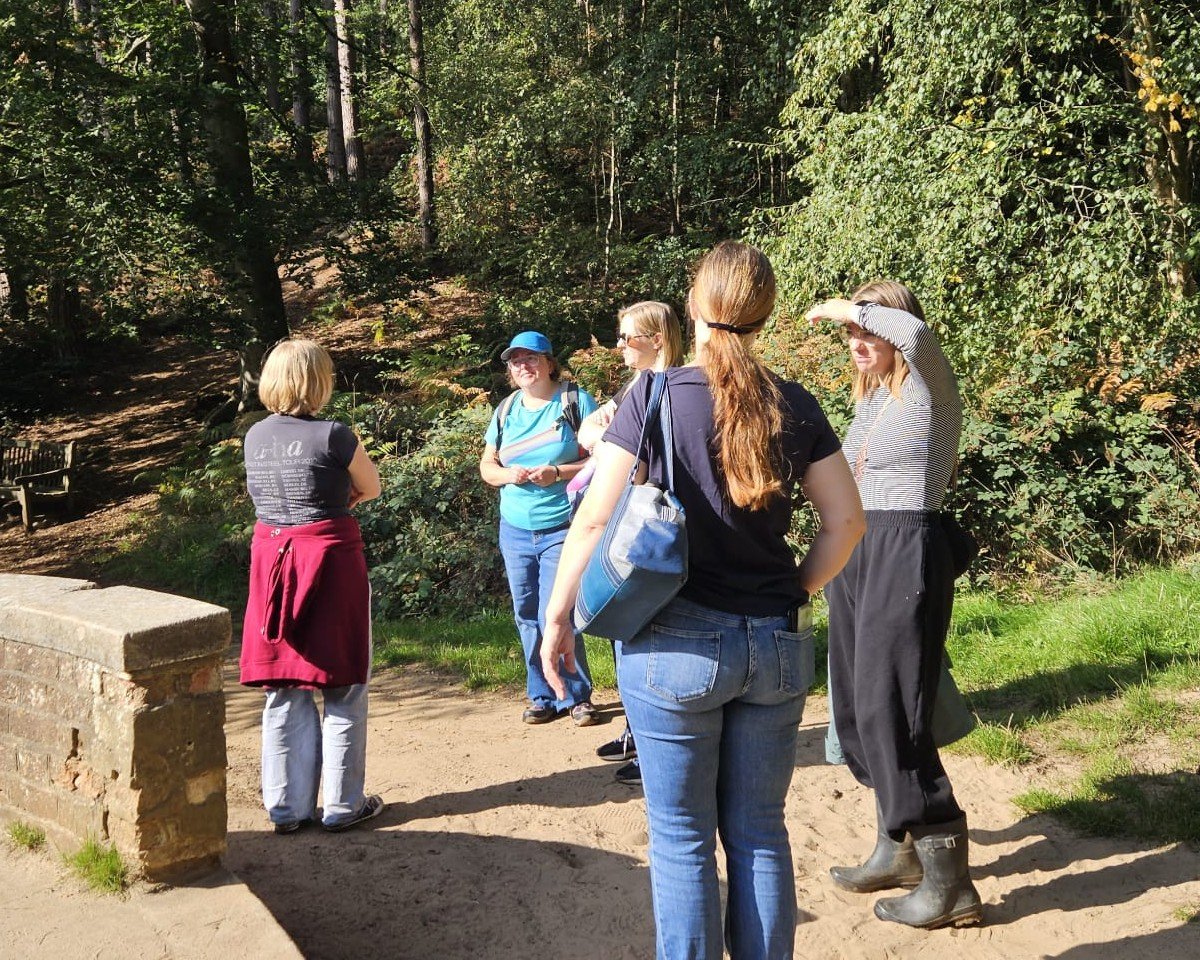
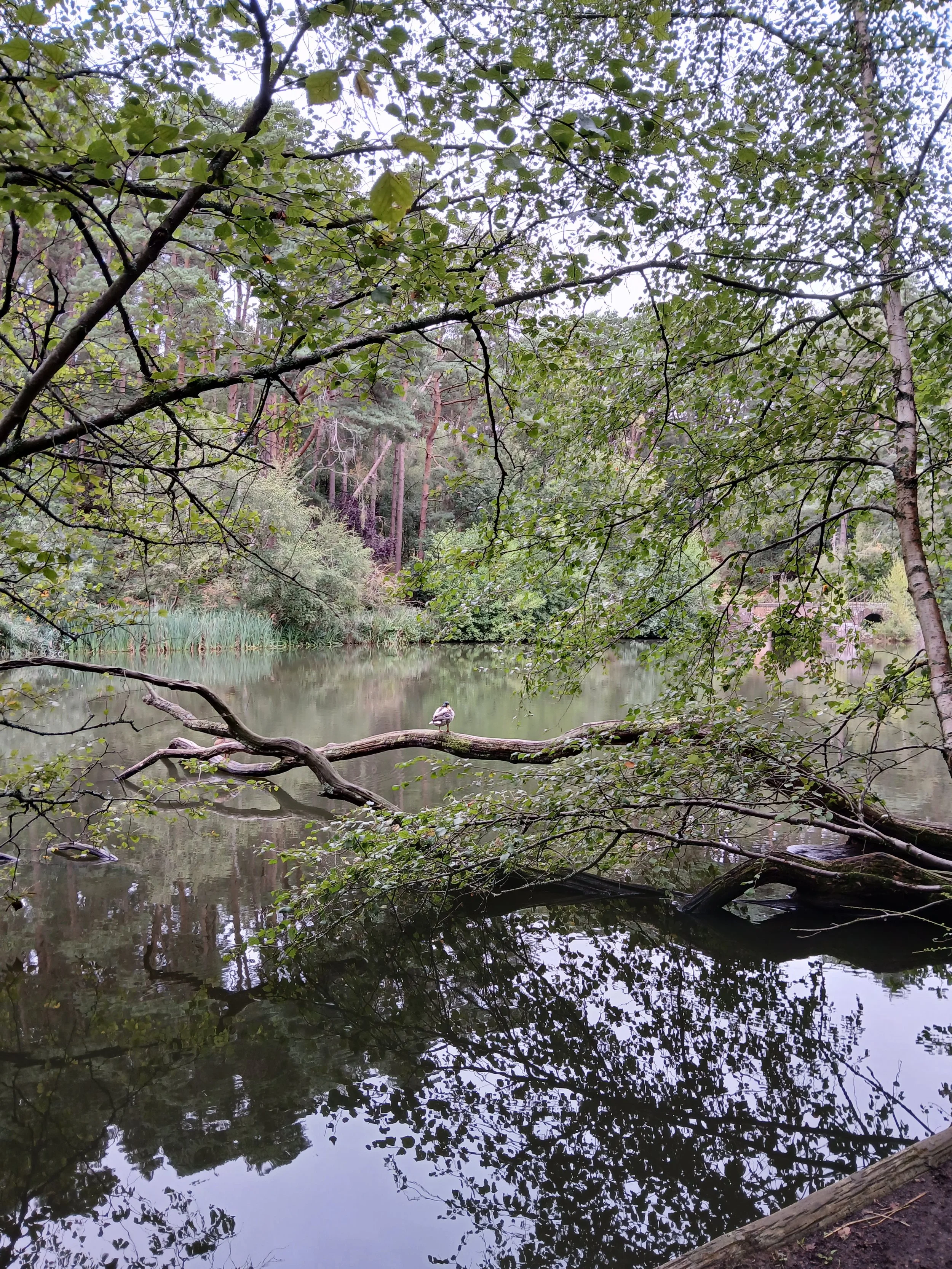
‘It felt very relaxing, I enjoyed the peaceful space from life.’
Stockgrove participant
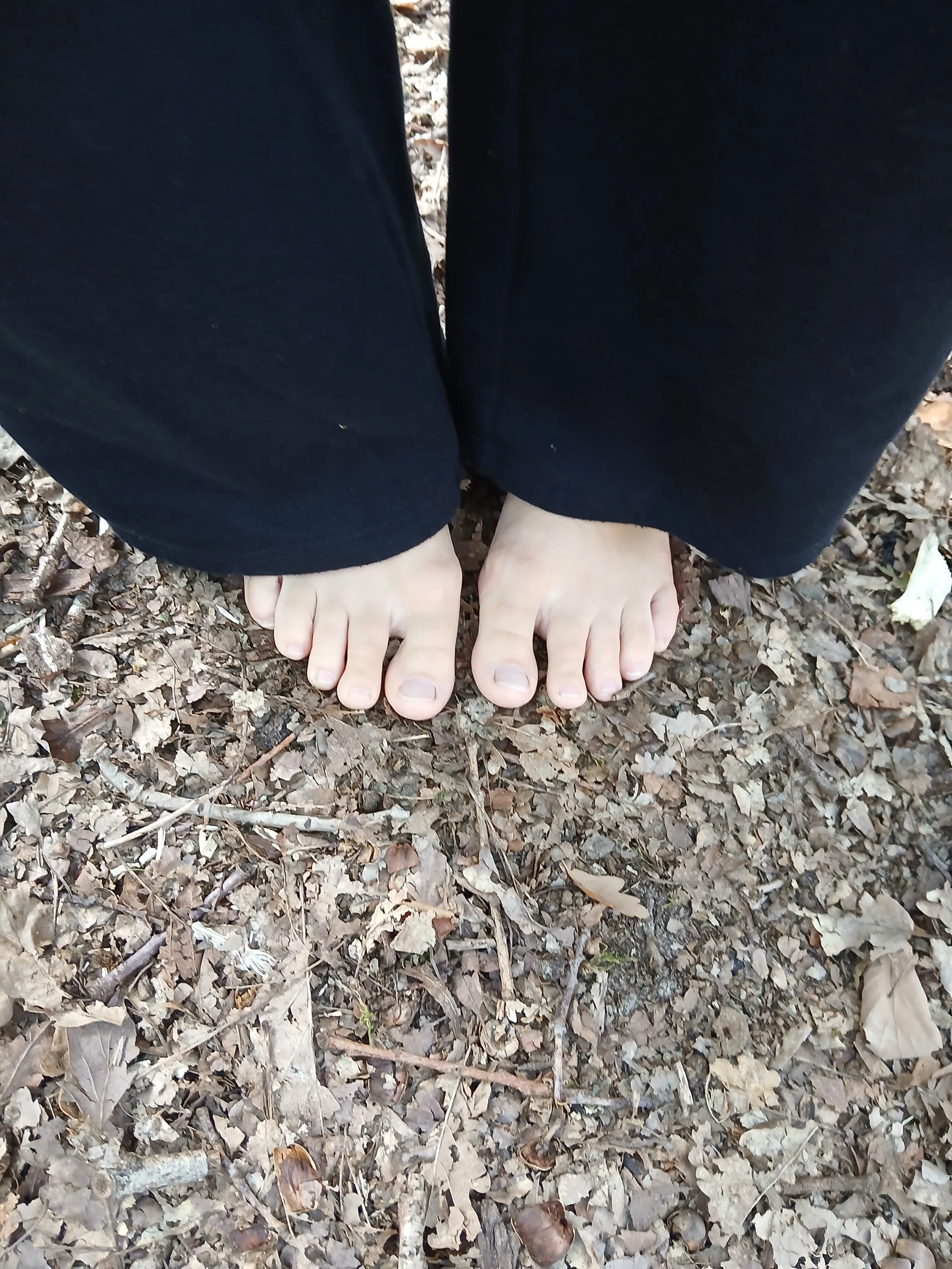
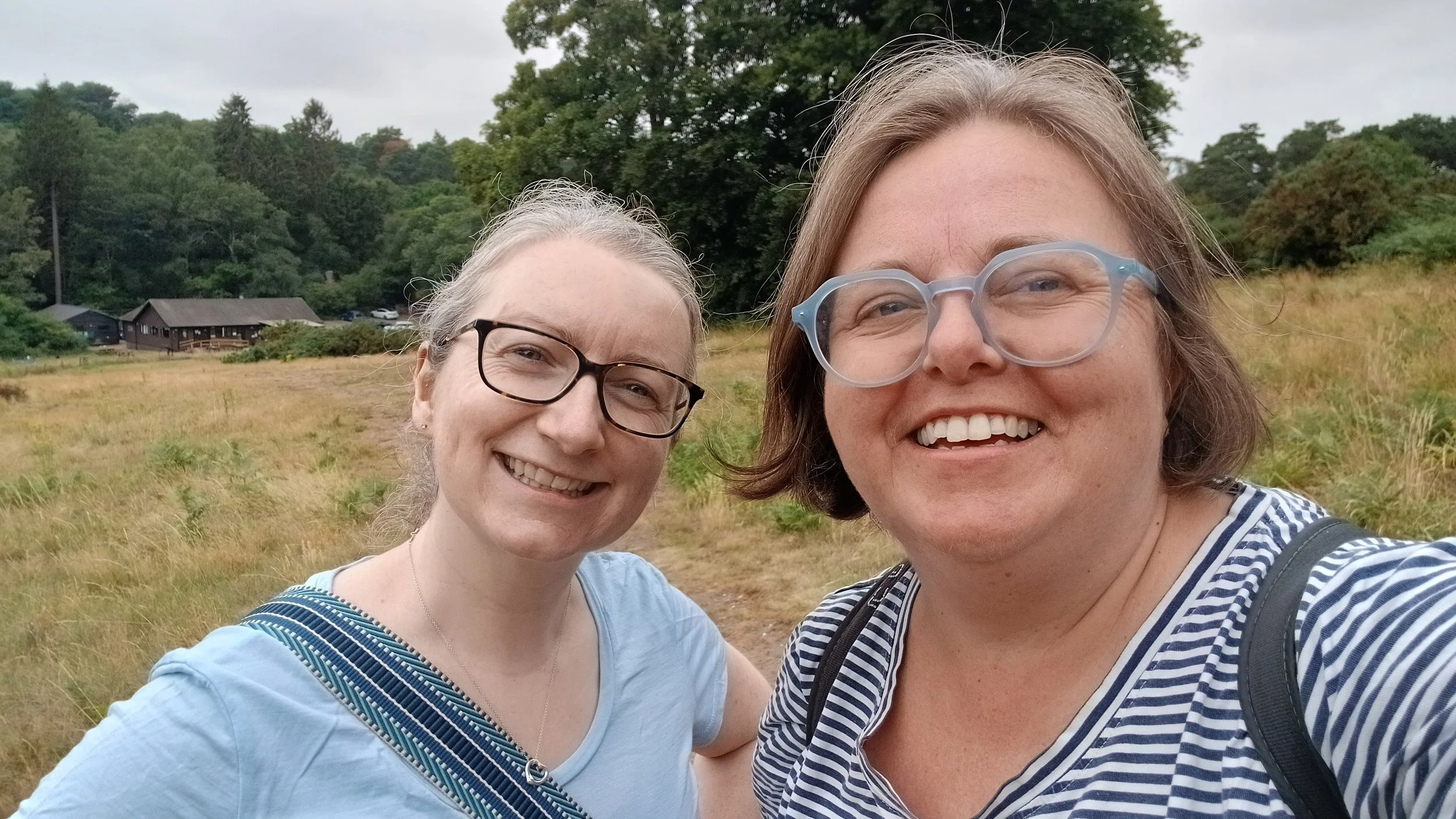
‘The invitations helped me to experience the woods in a deeper, slower way. Feeling connected to nature.’
Stockgrove participant
Sessions
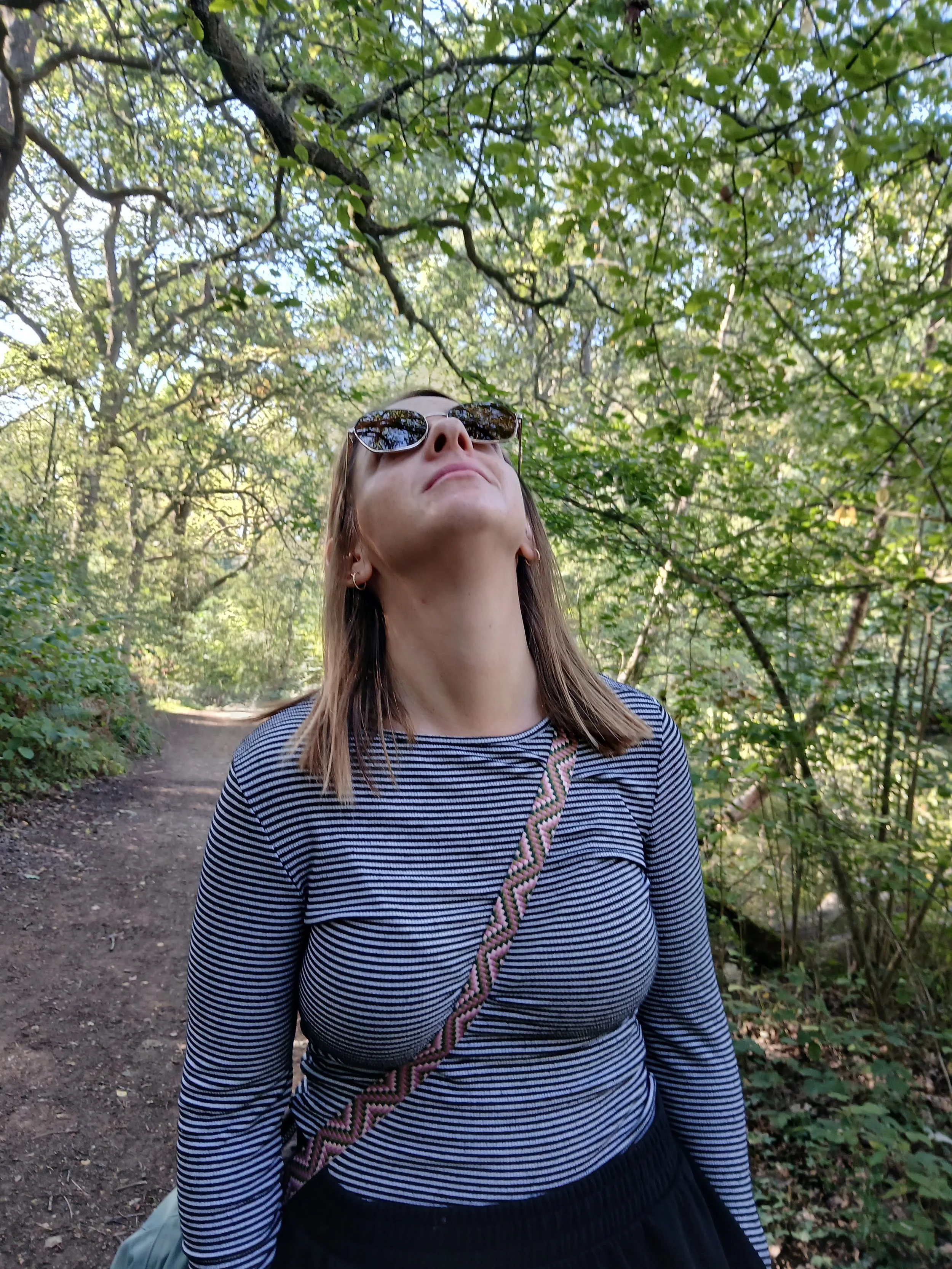
‘Go for it! What a treat to take some time and pause, reconnect and remember how amazing our natural world is. It shifted my brain into another gear.’
Parson’s Park Participant
Parson’s Close Park, Leighton Buzzard
Mondays every fortnight
11am - 1hr
At the community garden end
Autumn / Winter sessions up now on bookwhen
40% off future sessions until I qualify in Nov!
My aim is to create a consistent space available for you throughout the year for your wellbeing and deepening connection with nature.
Any questions
Stockgrove end of Rushmere
Fridays every fortnight
10am - 2hr
Stockgrove end of Rushmere
Next session:
Autumn / Winter sessions up now on bookwhen
40% off future sessions until I qualify in Nov!
Parking payable to Greensand Trust separately.
15% of session price goes to Greensand Trust to help maintain this beautiful place.
My aim is to create a consistent space available for you throughout the year for your wellbeing and deepening connection with nature.
Any questions:
What is forest bathing?
Where is it from?
What are the benefits?
How does it work?
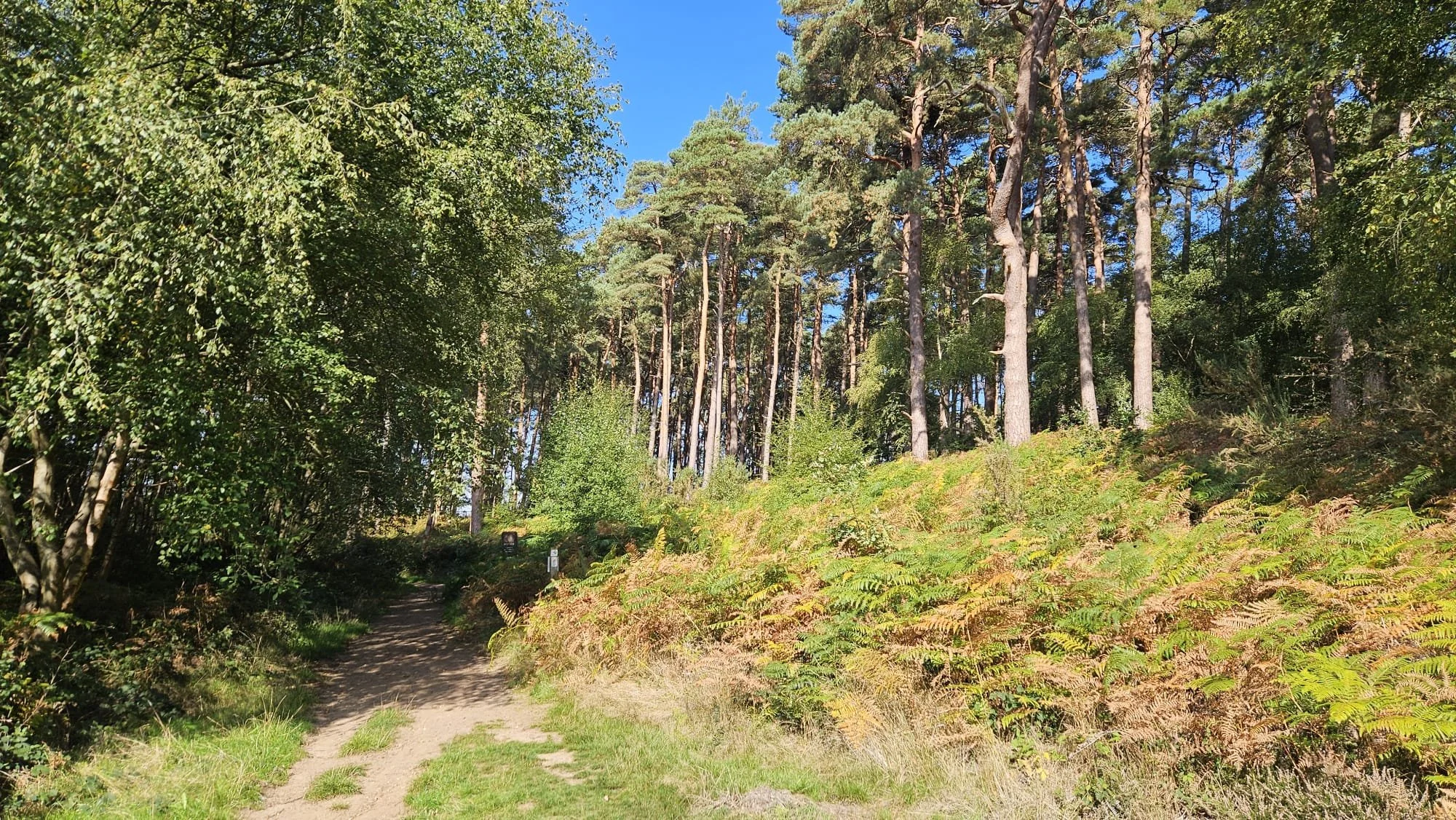
Forest bathing is a slow time in nature. Forest Bathing is a series of invitations to facilitate sensory connection to nature. The physical and mental health benefits are well evidenced.
When we slow down and connect to our senses, our whole body is able to connect with nature. We get out of our prefrontal cortex (thinking) and help the calming part of our body (parasympathetic nervous system) to work. It doesn’t need to be a forest but trees help.
Forest Bathing was designed in Japan where they coined the name Shinrin yoku, forest bathing. It became big in California and now the practice is spreading around the world. And so too are the researchers who evidence the health benefits - these include reduced blood pressure, lower stress and increased speed of recovery from operations and pain. More on this coming soon to this website.
The process of Forest bathing is a series of invitations. We begin with an invitation to start by crossing through a gate or arch. Next the sensory invitations where we connect into our bodies. Then exploratory invitations where we wander around and connect with nature. After each invitation there is an opportunity for reflection together. You don’t need to say anything if you don’t want to. Invitations are not instructions. Everyone is free to interpret and adjust them as they want, there is no one right way to forest bathe.
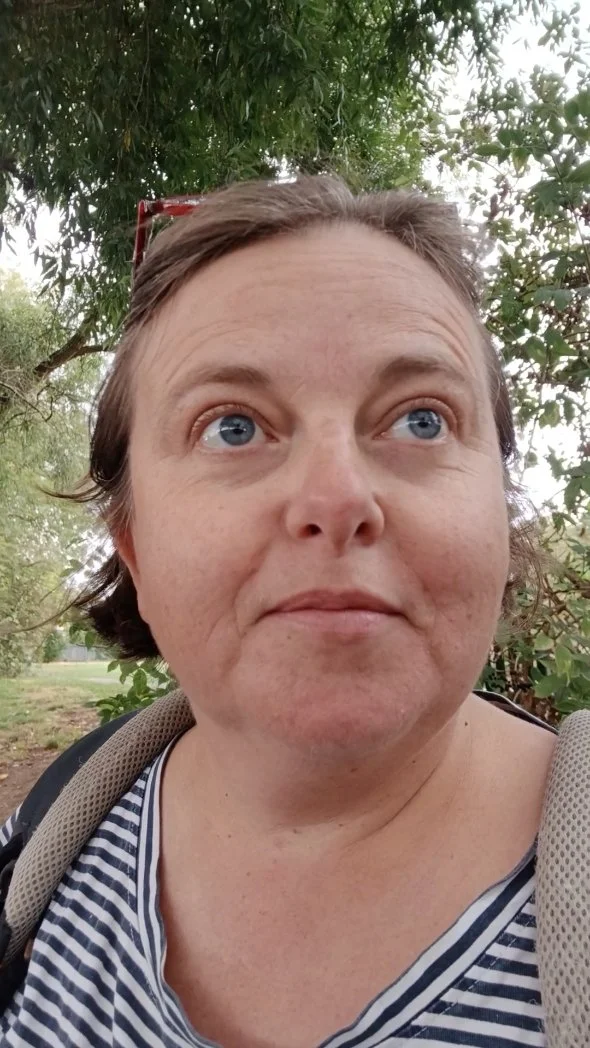
Becky, Forest Bathing Guide
For over 20 years, I've facilitated groups of people who work together often in stressful and uncertain circumstances. This work has become increasingly remote in terms of human interaction but also remote from place. I invested in Forest Therapy Practitioner Training with Lightbox Bristol so I could work closer to the land, closer with people and with the intention to facilitate people and nature's mutual care.
From this more grounded position, I'll continue to work with people remotely Tuesday to Thursday - whether an AI team in a war zone or a UK government team in a pickle. But Monday and Friday you'll find me with the trees. This isn't just for the benefit of others, my own mental health and physical needs it, and I believe that nature needs us to slow down and all be together to find a way through these unprecedented times.
Follow me on Instagram: @sandkind_uk
FAQs
Who is Forest Bathing for?
Any adult: individuals, friends or family groups. Forest Bathing involves some quiet sitting so it isn’t appropriate for dogs and children. Some Forest Bathing practitioners do hold sessions for parents with young babies in slings. I would love to dedicate a session for this so please be in touch if you are interested.
What if I’m recovering from health issues, grieving, depressed or anxious?
Research shows that regularly Forest Bathing can help you recover, reduce symptoms and relax. Source: Chen, 2019: Nature’s Pathways to Health
I’m managing limited energy and/or mobility - can I still join?
If you can manage roots, muddy slopes, a 1KM slow walk over 2 hours and access to a car or taxi, my Stockgrove session is for you.
If you could manage an hour of sitting and a little moving around then my Parson’s Park session is for you.